
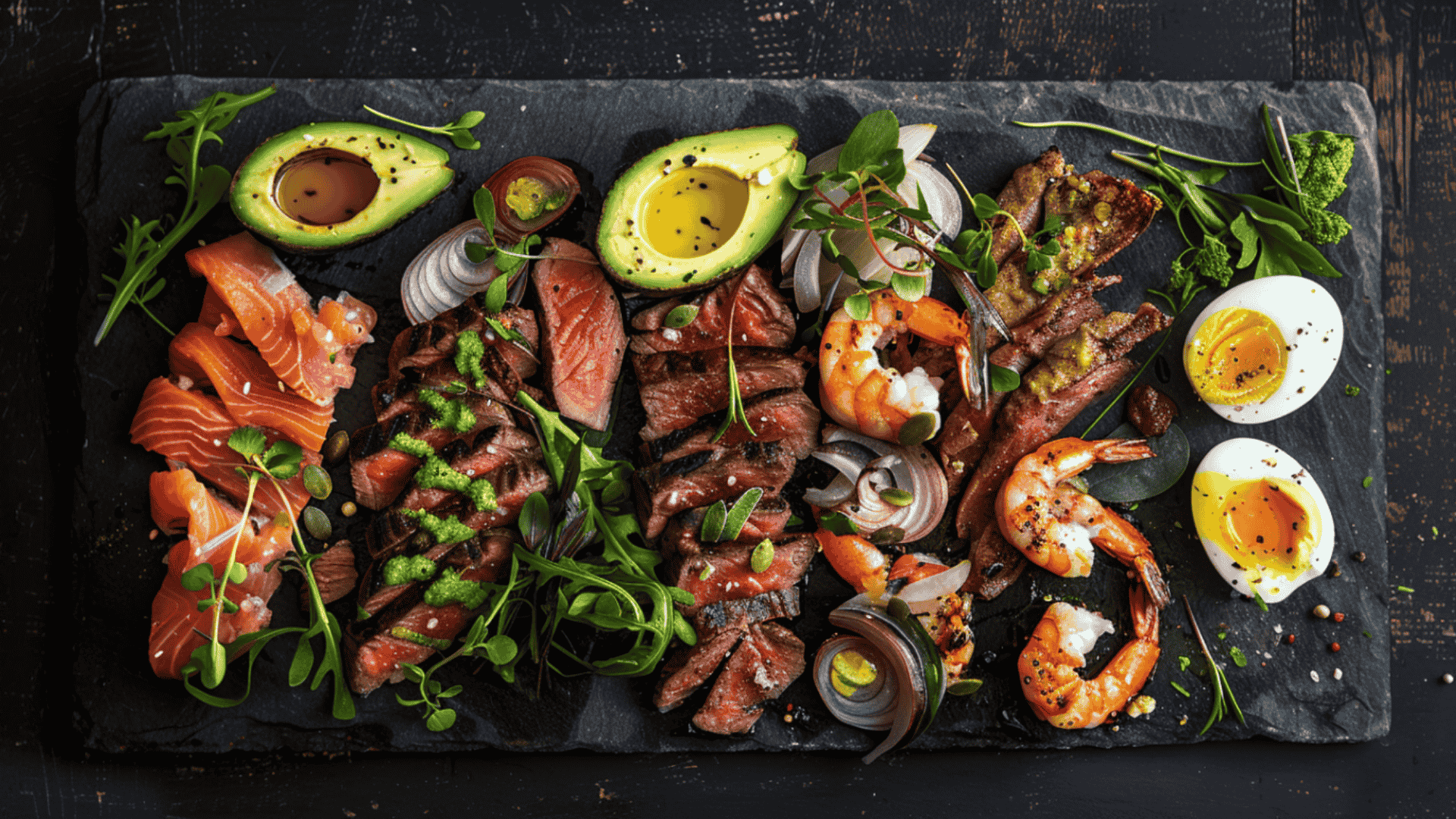
And How to Fix it
Introduction
I see this all the time with clients, they start cutting back on carbs, adding in more protein and healthy fats, and within a few weeks, their digestion goes haywire. Some feel bloated and uncomfortable, others suddenly find themselves dealing with constipation or, on the other end of the scale, food running straight through them. Some just don’t feel great after meals and can’t quite put their finger on why.
So, what’s going on? And more importantly, how do you sort it?
The truth is, your body has been trained to respond a certain way, especially if you’ve spent years following a low-fat diet. If fat seems to go straight through you, it’s not because you “can’t eat fat.” It’s because your digestive system has adapted to a diet that relies on carbs for energy instead of fats and proteins. This isn’t permanent. Your body is more than capable of handling fats properly, it just needs time and the right support to do so.
Lowering carbs and increasing fat and protein is one of the best ways to improve gut health, lower inflammation, and restore proper digestion, but it’s a big shift. If your digestion is struggling, it’s not necessarily because keto or low-carb is the problem; it’s more likely that underlying gut issues were already there and are now becoming more obvious.
The good news? There’s plenty you can do to support your digestion so your body starts responding to fats and proteins the way it should.
In this post, I’ll walk you through:
- Why lowering carbs and increasing fats can trigger digestive issues (and why this is temporary)
- How to support stomach acid, enzymes, and bile so your digestion runs smoothly
- The best and worst foods for gut health on keto and low-carb
- Whether you actually need fibre, and if so, which type is best
- What happens to your gut bacteria when you cut carbs (and how to keep your microbiome happy)
- Supplements and natural remedies that can help if your digestion needs extra support
If your digestion has been off since lowering your carb intake, it doesn’t mean your body “doesn’t like fat.” It just means your gut needs some help adjusting. The way your digestion works right now isn’t set in stone, it can change. And when it does, you’ll start feeling the real benefits of eating this way.
Why Keto Affects Digestion (The Good & The Ba

When people first switch to low-carb or keto, digestion can go one of two ways, either things improve dramatically, or everything feels off. There’s a reason for that, and it all comes down to how your body has adapted to your previous diet.
The Good: Keto Supports Digestion & Gut Healing
For many people, keto and low-carb eating can be a game-changer for gut health. By removing highly processed foods, refined sugars, and inflammatory grains, you’re giving your digestive system a break from foods that might have been causing irritation and stress for years.
Here’s why a well-balanced keto or low-carb diet can actually improve digestion over time:
- It Lowers Inflammation – Processed carbs, seed oils, and sugar cause chronic inflammation, which affects digestion. Cutting them out can help calm the gut lining and reduce bloating.
- It Removes Gut Irritants – Many people have sensitivities to gluten, grains, seed oils, and artificial additives without realising it. Once those foods are out, symptoms like bloating, acid reflux, and IBS-like issues often improve.
- It Can Help Heal Leaky Gut – Excess carbs and processed foods can damage the gut lining, making it more permeable (“leaky gut”). Lowering inflammation and eating nutrient-dense foods can help restore gut barrier function over time.
- It Reduces Bacterial Overgrowth & Candida – A high-carb diet feeds bad bacteria and yeast overgrowth, which can cause bloating, gas, and digestive discomfort. Lowering carbs starves out these opportunistic microbes, allowing beneficial bacteria to thrive.
- It Encourages Proper Stomach Acid Production – Contrary to what most people think, acid reflux is often caused by too little stomach acid, not too much. Cutting out processed foods and eating more protein can actually help the body regulate stomach acid levels properly.
All of this is why so many people find that after a few months of eating this way, their digestion is stronger than ever. But before that happens, there can be a bit of an adjustment period…
The Bad: Why Some People Struggle at First
Not everyone feels amazing in the first few weeks of keto. In fact, some people feel worse before they feel better. If you’ve suddenly found yourself bloated, constipated, or running to the bathroom after meals, here’s what’s likely happening:
- Your Body Isn’t Producing Enough Stomach Acid – If you’ve been on a low-protein, high-carb diet for years, your body may not be making enough stomach acid to properly digest meat and fats. Without enough acid, food sits in the stomach longer than it should, causing bloating and discomfort.
- Your Gallbladder & Bile Flow Need Time to Adjust – If you’ve avoided fats for years, your gallbladder has been producing very little bile. Bile is essential for breaking down fats, and without it, fats can move too quickly through your system (leading to loose stools) or too slowly (leading to bloating and discomfort).
- Your Gut Bacteria Are Shifting – Cutting out carbs changes your gut microbiome. This is a good thing in the long run, but in the short term, some people experience bloating, gas, or irregular bowel movements as their gut bacteria adjust.
- You’re Eating Too Many Nuts, Dairy, or Sugar Alcohols – Just because a food is “keto-friendly” doesn’t mean it’s easy on digestion. Nuts and dairy can be tough on the gut, and sugar alcohols (like erythritol) can cause bloating and diarrhoea.
If this sounds familiar, don’t panic. None of these issues means keto isn’t for you; they just mean your digestion needs some extra support while your body adapts. The good news? These problems are fixable.
The Key to Healing Digestion – Supporting Stomach Acid, Enzymes & Bile

If your digestion feels off since lowering carbs and increasing fats and proteins, it’s often a sign that your body needs a bit of help adjusting. The three main things that control how well you digest food are stomach acid, digestive enzymes, and bile. If any of these aren’t working properly, you’re going to feel it, whether that’s bloating, discomfort, sluggish digestion, or food running straight through you.
So, what’s actually going on here? Why do some people struggle, and what can you do about it?
Stomach Acid – The Unsung Hero of Digestion
Most people assume acid reflux and heartburn mean they have too much stomach acid, but in most cases, it’s the exact opposite: not enough.
Stomach acid (hydrochloric acid or HCl) is critical for breaking down proteins and making sure food moves through the digestive system at the right pace. When there’s not enough acid, food sits in the stomach for too long, leading to bloating, heaviness, and that uncomfortable “full” feeling after meals. It can even cause reflux because the valve between your stomach and oesophagus doesn’t close properly when acid levels are too low.
Why Lowering Carbs & Increasing Protein Can Highlight Low Stomach Acid
- If you’ve been eating a low-protein, high-carb diet for years, your stomach hasn’t had to produce much acid.
- Processed foods and antacids make the problem worse by suppressing acid levels even further.
- When you suddenly start eating more protein, your body might struggle to digest it properly at first.
Signs You Might Have Low Stomach Acid
- Feeling overly full or bloated after eating protein-heavy meals
- Heartburn or reflux after eating (yes, low acid can cause reflux!)
- Seeing undigested food in your stool
- Nausea after eating fatty meals
How to Naturally Support Stomach Acid
- Apple Cider Vinegar (ACV) or Bitters Before Meals – A teaspoon of raw, unfiltered ACV in water before meals can help kickstart acid production. Herbal bitters (like dandelion or gentian) do the same.
- Eat Enough Salt – Your body needs chloride from salt to make stomach acid. Use unrefined sea salt instead of processed table salt. And that goes for cooking too. Many think table salt is ok for cooking. Just chuck it in the bin.
- Consider Betaine HCl – If ACV and bitters don’t help, some people benefit from Betaine HCl supplements to bring acid levels back up.
When stomach acid is working properly, food breaks down efficiently and moves into the small intestine without issues. But acid is just the first step—your body also needs digestive enzymes.
Enzymes – The Key to Breaking Down Fats & Proteins
Digestive enzymes are like the body’s kitchen tools; they break down fats, proteins, and carbs into nutrients your body can absorb. Without enough enzymes, food isn’t properly digested, which leads to bloating, discomfort, and nutritional deficiencies over time.
Why Some People Struggle with Enzymes When Switching to Keto
- A diet that’s been low in real, whole foods may mean your body isn’t producing enough enzymes naturally.
- The sudden increase in fat and protein can overwhelm a system that’s not used to breaking them down.
- As we get older, natural enzyme production declines, making digestion less efficient.
How to Naturally Support Digestive Enzymes
- Chew Your Food Properly – Digestion starts in the mouth. The more you chew, the easier your body can process food.
- Eat More Raw & Fermented Foods – Foods like sauerkraut, kimchi, kefir, and raw dairy contain natural enzymes. Although keep an eye on any symptoms as for some probiotic type foods are not the answer early on, go slowly with these and pay attention to your body.
- Consider Digestive Enzyme Supplements – If you struggle with bloating, heaviness, or sluggish digestion, a high-quality digestive enzyme supplement with lipase (for fat), protease (for protein), and amylase (for carbs) can help.
Enzymes help break down food, but when it comes to digesting fats, bile is the real MVP (Most Valuable Player)
Bile Production – Why It’s Essential for Fat Digestion
Bile is produced by the liver and stored in the gallbladder. It plays a key role in breaking down and absorbing fats. If you’ve struggled with greasy stools, bloating, or nausea after eating fatty meals, your bile flow might not be up to scratch.
Why Gallbladder Issues Can Show Up When You Start Eating More Fat
- If you’ve avoided fats for years, your gallbladder has been producing very little bile. Suddenly increasing your fat intake can overload the system, leading to bloating or loose stools.
- Some people naturally produce thicker bile, making it harder to digest fats efficiently.
- If you’ve had your gallbladder removed, bile production can be even slower, making it harder to process fats properly..
How to Naturally Support Bile Flow & Fat Digestion
- Bitter Foods & Herbal Bitters – Foods like rocket, dandelion greens, artichokes, and radicchio help keep bile moving.
- Lemon Water in the Morning – Helps stimulate bile flow naturally and supports liver function.
- Increase Choline Intake – Found in egg yolks, beef liver, and fish, choline helps keep bile flowing properly.
- Consider Ox Bile Supplements – If you struggle to digest fats, ox bile supplements can help break them down properly until your body adjusts.
So what can you do!
If your digestion feels sluggish since switching to low-carb or keto, it’s often down to low stomach acid, weak enzyme production, or sluggish bile flow.
The good news? This is completely fixable with the right approach:
- Support stomach acid with apple cider vinegar, bitters, and unrefined salt.
- Encourage enzyme production with chewing, fermented foods, and enzyme supplements if needed.
- Stimulate bile flow with bitter foods, lemon water, and choline-rich foods.
Once digestion is working properly, you’ll absorb more nutrients, have fewer gut issues, and actually feel satisfied after meals.
Best & Worst Foods for Digestion on Keto
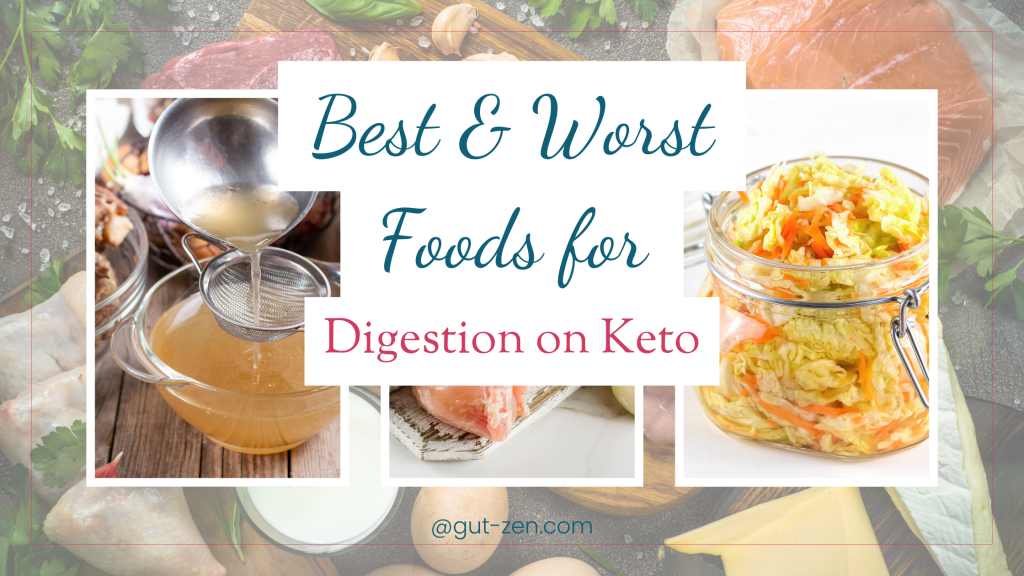
A well-structured keto or low-carb diet can improve digestion, but not all keto-friendly foods are easy on the gut. Some support digestion and gut health, while others can cause bloating, discomfort, or sluggish digestion, especially if they’re overdone.
Let’s break down which foods actually help your gut and which ones might be causing trouble.
Best Foods for Digestion on Keto
Some foods actively support digestion, heal the gut lining, and improve nutrient absorption. These are the ones to focus on, especially if you’ve been dealing with bloating, sluggish digestion, or gut irritation.
Bone Broth or even better Meat Broth
- One of the best foods for gut healing. Rich in collagen, gelatine, and amino acids that soothe and repair the gut lining.
- Provides easily digestible nutrients to support the digestive system.
- A great source of electrolytes, helping to prevent constipation when transitioning to keto.
- For those with histamine issues please watch your cooking time, as the longer you cook/simmer bones the more histamine is released.
Instead of creating a healthier diet, this shift led to blood sugar instability, increased hunger, and inflammation, all while people believed they were making better choices.
Fermented Foods (in Moderation)
- Natural probiotics that support gut bacteria and digestion.
- Sauerkraut, kimchi, kefir, and unsweetened coconut or dairy yoghurt can help balance the gut microbiome. (be aware of symptoms and go slowly with anything that is a probiotic food if you have impaired gut microbiome)
- Be cautious—too much can cause bloating, especially if your gut bacteria are still adjusting to keto.
High-Quality Animal Fats
- Grass-fed butter, ghee, tallow, duck fat, and lard are easier to digest than seed oils or processed fats.
- Unlike processed vegetable oils, these don’t trigger inflammation in the gut.
- If you struggle with digesting fats, start slow and support bile production (as we covered in the last section).
Well-Cooked Vegetables
- Some non-starchy vegetables can be difficult to digest raw, especially if you have gut issues.
- Lightly steaming, roasting, or sautéing makes them easier on digestion while still providing fibre and nutrients.
- Good options: Courgettes, mushrooms, cooked cabbage, asparagus, and peeled courgettes.
If your digestion feels strong and stable, you can handle a wider variety of foods. But if things aren’t right, some common keto staples might be making the problem worse.
Worst Offenders – Foods That Can Cause Digestive Issues
Not all "keto-friendly" foods are gut-friendly. Some of the most common troublemakers include:
Too Many Nuts & Seeds
- Nuts and seeds are hard to digest in large amounts. They contain phytic acid and lectins, which can irritate the gut lining and block nutrient absorption.
- Almonds, walnuts, flaxseeds, and chia seeds are particularly tough on digestion.
- Adjust: Soaking or sprouting nuts can reduce digestive stress, and sticking to smaller portions can help. Soaking and dehydrating or slowly drying out in the oven can help to activate nuts.
Dairy Overload
- Many people don’t realise they have a sensitivity to dairy until they switch to keto and start eating more cheese and cream.
- Dairy proteins (casein) and sugars (lactose) can cause bloating, reflux, and sluggish digestion. It can also be tough on those with autoimmune conditions, especially skin related like psoriasis.
- Adjust: Stick to fermented dairy (kefir, unsweetened Greek yoghurt) or try dairy-free alternatives like coconut milk or ghee.
- Excessive Dairy consumption can also hinder weight loss
Excessive MCT Oil or Coconut Oil
- MCT oil is highly concentrated and can cause diarrhoea or cramping if overused.
- Coconut oil has natural antimicrobial properties, but too much at once can trigger loose stools.
- Adjust: Start with very small amounts (1 tsp) and work up slowly. Using whole-food fats like butter or ghee instead can be easier on digestion.
- Plus too much of this can hinder weight loss - too much fat when we want to lose fat doesn't really add up.
Sweeteners on Keto – What’s Safe & What’s Not?
Not all sugar substitutes are created equal. Here’s a quick guide:
- ✔ Erythritol – Zero impact on blood sugar and usually well tolerated in small amounts. Can cause bloating or loose stools if overdone.
- ✔ Xylitol – Slightly higher impact on blood sugar, but still suitable for keto. Can cause digestive issues in some and is toxic to dogs, so handle with care.
- ✔ Allulose – One of the best options for blood sugar and digestion, but it’s harder to find in the UK.
- ❌ Maltitol – Avoid this one. It spikes insulin, causes major digestive upset for most, and is often found in “keto” junk food.
If you’re going to enjoy a sweet treat, homemade is always better. You control what goes in, and you can use safer sweeteners in small amounts. Just remember, “keto-friendly” doesn’t always mean gut-friendly.
Why Some “Keto Staples” Cause Issues & How to Adjust
Some foods that seem like great keto choices can actually be hard on digestion if they’re not eaten in the right way.
Almond Flour & Flaxseeds – Why They Can Backfire
- Almond flour is heavily used in keto baking but can be hard to digest in large amounts.
- It’s high in oxalates, which can cause gut irritation, bloating, joint pain and even contribute to kidney stones.
- Flaxseeds are often recommended for fibre, but too much can cause bloating and digestive distress.
What to Do Instead:
- Swap almond flour for coconut flour, which is lower in oxalates and easier on digestion.
- Use egg white protein powder instead.
Simplifying it all down and what can you do!
If your digestion has felt off since lowering carbs and increasing fats, it’s not necessarily keto itself—it’s about choosing the right foods for your gut.
- Stick to gut-friendly foods: Bone broth, fermented foods, high-quality fats, and well-cooked vegetables.
- Watch out for problem foods: Nuts, dairy, excessive MCT oil, and sugar alcohols can all cause issues.
- Make adjustments where needed: Start slow with new foods, swap out harder-to-digest ingredients, and listen to your body.
Once you start eating in a way that works with your digestion, not against it, you’ll feel the difference—better energy, less bloating, and smoother digestion overall.
The Role of Fibre – Do You Really Need
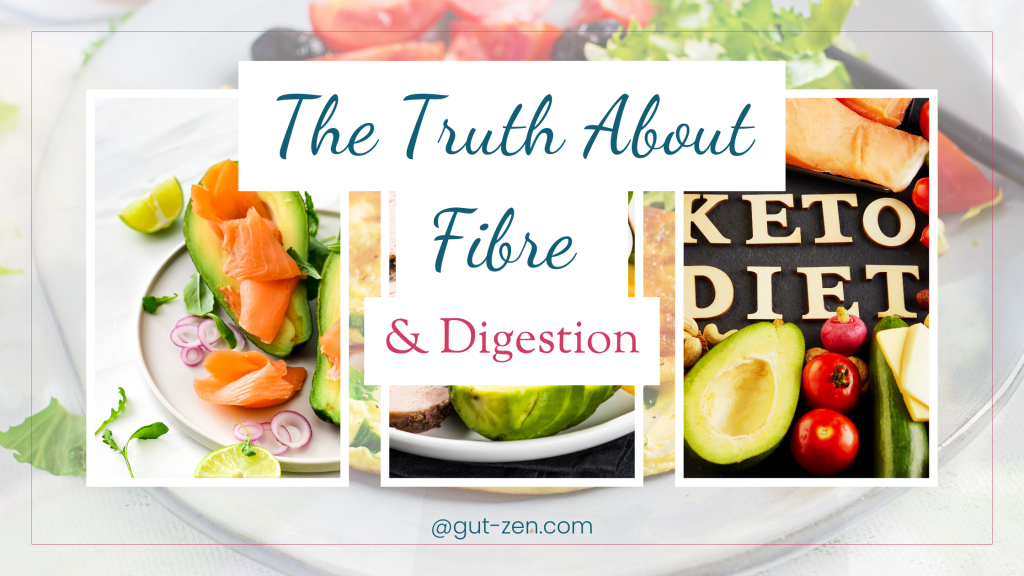
Fibre is one of those topics that stirs up a lot of confusion, especially when switching to keto or low-carb. We’ve been told for years that we need loads of fibre for digestion, gut health, and overall well-being, but is that actually true?
Some people feel better than ever when they cut fibre down, while others struggle with constipation when they remove high-carb sources like oats, grains, and legumes. So, what’s really going on? Do you actually need fibre, or is it overhyped?
The Truth About Fibre & Digestion
Fibre is often promoted as the key to preventing constipation, feeding gut bacteria, and keeping digestion moving. But the reality is that not everyone needs the same amount, or even the same type of fibre.
Some people thrive with higher-fibre intake, while others do better with much less. The key is understanding what works for your body rather than following general dietary recommendations.
Types of Fibre & How They Affect Digestion
Not all fibre is created equal. The two main types, soluble and insoluble fibre, affect digestion in very different ways.
Soluble Fibre – Can Be Helpful (For Some People)
Soluble fibre absorbs water and forms a gel-like substance, which can help slow digestion and support gut bacteria. It’s found in foods like:
- Avocados
- Cooked vegetables (courgettes, carrots, squash)
- Psyllium husk (in small amounts)
Some people benefit from small amounts of soluble fibre, especially if they’re dealing with loose stools on keto. But for others, too much soluble fibre can cause bloating and fermentation in the gut, leading to discomfort.
Insoluble Fibre – Can Worsen Gut Issues
Insoluble fibre does not dissolve in water and adds bulk to stool, pushing it through the digestive system. It’s found in:
- Whole grains
- Bran
- Raw vegetables (like kale and broccoli)
- Nuts and seeds
Many people assume more fibre equals better digestion, but for those with gut inflammation, IBS, or slow digestion, insoluble fibre can make things worse. It can cause bloating, irritation, and even worsen constipation by adding too much bulk without addressing the root issue.
What Happens When You Reduce Fibre on Keto?
One of the biggest changes people notice when switching to keto or low-carb is a natural drop in fibre intake. This is because most high-fibre foods, like grains, beans, and lentils, are also high in carbs.
Some people worry that cutting out these foods will cause constipation, but digestion isn’t just about fibre—it’s about stomach acid, enzymes, bile flow, and hydration.
For many, lowering fibre actually improves digestion by:
- Reducing bloating and gas (especially from fermentable fibres)
- Easing gut irritation (if fibre was triggering inflammation)
Allowing the gut lining to heal
However, if you find yourself struggling with sluggish digestion or constipation, there are other factors to consider.
If You’re Constipated on Keto, Fibre Might Not Be the Answer
Constipation isn’t always caused by a lack of fibre, sometimes, it’s because digestion needs more support in other areas.
If you’re struggling, ask yourself:
- Are you drinking enough water? Low-carb diets flush out water and electrolytes, so dehydration can slow digestion.
- Are you eating enough fat? Fat stimulates bile production and helps food move through the digestive tract.
- Is your magnesium intake low? Magnesium relaxes the bowels and helps prevent constipation.
- Are you getting enough movement? A sedentary lifestyle slows digestion; even walking helps.
If you’ve lowered fibre and feel great, then there’s no need to add it back in just because mainstream advice says so. But if you feel sluggish, bloated, or constipated, you may need to adjust hydration, minerals, and fat intake first before assuming fibre is the solution.
So, Do You Actually Need Fibre?
The short answer? It depends.
- Some people thrive with less fibre, especially if they’ve struggled with bloating, IBS, or inflammatory gut issues.
- Others need a small amount of soluble fibre from well-cooked vegetables or psyllium husk to keep things moving.
- Insoluble fibre can be irritating and isn’t always necessary, especially for those with digestive issues.
Instead of following one-size-fits-all fibre recommendations, pay attention to how your body responds. If reducing fibre makes you feel lighter, less bloated, and more comfortable, that’s a good sign you don’t need as much as you were led to believe.
What Can You Do?
- Focus on hydration, fats, and minerals before assuming fibre is the answer.
- If you include fibre, stick to sources that work for your digestion—well-cooked vegetables, avocado, and small amounts of psyllium husk if needed.
- Avoid relying on high-fibre keto snacks like nut flours and flaxseeds, which can cause more harm than good.
At the end of the day, your body will tell you what it needs, you just have to listen.
Supplements & Natural Remedies or Better Digestion
Even with the right foods and lifestyle changes, sometimes digestion needs extra support. Whether it’s bloating, sluggish digestion, fat malabsorption, or constipation, the right supplements and natural remedies can make a big difference.
Let’s go through the ones that actually work and how to use them properly.
Key Supplements That Help Digestion on Keto
Sometimes, digestion struggles because the body isn’t producing enough stomach acid, bile, or enzymes. If food isn’t breaking down properly, nutrients won’t be absorbed, leading to bloating, discomfort, and gut issues.
These supplements can help restore proper digestion:
1. Betaine HCl – Supports Stomach Acid Production
- Helps break down protein properly and prevents bloating after meals.
- Can reduce acid reflux (which is often due to low stomach acid, not too much).
- Supports nutrient absorption, especially for iron and B vitamins.
How to Use It: Start with a small amount alongside a protein-rich meal and assess how you feel. If you notice warmth in your stomach, that’s your limit. If not, you may need to slowly increase.
Who Shouldn’t Use It: If you have gastritis, ulcers, or active acid reflux, avoid Betaine HCl. Apple cider vinegar or digestive bitters are a better option in these cases.
2. Digestive Enzymes – Helps Break Down Fats, Proteins & Carbs
- Supports nutrient absorption by breaking food into smaller, usable components.
- Can reduce bloating and heaviness after meals.
- Particularly helpful for those new to keto or those struggling to digest fats.
How to Use It: Look for a broad-spectrum enzyme that contains:
- Lipase (for fat digestion)
- Protease (for protein digestion)
- Amylase (for carbs, if needed)
Take alongside meals and adjust as needed. Start low.
3. Ox Bile – Supports Fat Digestion (Especially if You Struggle with Fats)
- Essential for breaking down and absorbing dietary fats.
- Can prevent fatty stools (pale, floating, greasy stools can indicate poor fat absorption).
- Can ease nausea or discomfort after eating fatty meals.
How to Use It: Taken with meals containing fat. If you’ve had your gallbladder removed, this can be particularly helpful.
Who Should Be Cautious: If you already have good bile flow, you may not need this. Signs of excess bile include loose stools.
4. Magnesium – Essential for Digestion, Relaxation & Overall Health
Magnesium plays a crucial role in digestion, muscle relaxation, and nervous system function. Processed carbohydrates cause chronic magnesium deficiency, making it essential to restore levels when switching to a whole-food, low-carb way of eating.
- Supports nerve function and blood sugar regulation.
- Helps relax the digestive tract, keeping things moving.
- Plays a role in blood vessel relaxation. Calcium helps blood vessels contract, but magnesium allows them to relax. Without enough magnesium, blood pressure can rise.
Best Forms for Digestion & Absorption:
- Magnesium Malate, glycinate or Bisglycinate – Easily absorbed and gentle on digestion.
- Epsom Salt Baths – Magnesium absorbs well through the skin, making a bath an effective way to restore levels.
Magnesium is best absorbed through amino acid chelates, so when choosing a supplement, look for forms like magnesium malate, bisglycinate, or glycinate
Natural Remedies for Digestion Support
For those who prefer a more gentle, natural approach, some herbal remedies and gut-healing nutrients can provide additional support.
Ginger & Peppermint – Helps Bloating & Digestive Discomfort
- Ginger speeds up digestion and helps soothe nausea and bloating.
- Peppermint relaxes the gut and can reduce cramping and indigestion.
How to Use Them:
- Ginger tea or fresh ginger slices in warm water before meals.
- Peppermint tea after meals to help with bloating.
If you have reflux, peppermint can sometimes worsen symptoms, so pay attention to how you react.
L-Glutamine – Supports Gut Repair
- An important amino acid that helps heal the gut lining and supports digestion.
- Particularly beneficial for those with gut inflammation, leaky gut, or IBS-like symptoms.
- Can also help with cravings and blood sugar regulation.
How to Use It:
Often taken in powder form, mixed with water.
Collagen – Essential for Gut, Skin & Joint Health
- Provides the building blocks for gut repair and overall tissue health.
- Can help strengthen the gut lining and improve digestion.
- Supports skin, hair, nails, and joint health.
How to Use It:
Found in collagen powders that can be mixed into drinks, coffee, or soups. Most people do well with a higher intake, but needs vary based on individual factors.
Final Thoughts

If your digestion has been struggling since lowering carbs and increasing fats, it doesn’t mean keto or low-carb isn’t right for you; it just means your body needs some support while it adjusts.
Instead of forcing fibre or assuming you need to “push through,” the key is understanding what’s happening and making the right tweaks.
- Support digestion naturally with stomach acid, bile, and enzymes if needed.
- Choose foods that work for you—what helps one person might not suit another.
- Listen to your body; if something isn’t working, there’s always a way to adjust.
With the right foods, supplements (if needed), and a bit of patience, your digestion will strengthen, your body will adapt, and you’ll feel the real benefits of eating this way.
Linda McClure
Cut the Bullshit
In Health | In Business | In Life
Bespoke Branding | Creative Web Design | Low Carb Nutrition Expert