

How ‘Heart-Healthy’ Diets & Seed Oils Made Us Sicker Than Ever

Introduction – The Lie We’ve Been Sold
For decades, we’ve been told that the key to a long, healthy life is to eat less fat, load up on whole grains, and swap butter for vegetable oils. This advice has been repeated by government health bodies, many dietitians, and mainstream healthcare professionals, shaping the way people eat and think about food.
But what if we’ve been following the wrong advice all along?
What if the very foods that have been promoted as “heart-healthy” are actually behind the rise in obesity, type 2 diabetes, autoimmune conditions, and chronic inflammation?
The truth is, the modern diet, high in carbohydrates, processed foods, and industrial seed oils, has wrecked metabolic health. The shift from traditional, whole-food diets to ultra-processed, low-fat, high-carb eating has made people sicker than ever before.
I know this because I lived it. I followed all the so-called expert advice, opting for whole grains, choosing low-fat dairy, avoiding animal fats, and using “healthy” plant-based oils. I believed I was making the right choices. But despite doing everything I was told was right, my body told a very different story. Inflammation, fatigue, gut issues, these were the daily realities I struggled with, even though I was eating the way I had been taught was “best.”
I also see it in my work every day. When I speak with people, whether they are clients or just everyday conversations, I can usually tell straight away if someone has spent their life dieting and eating high-carb, low-fat foods. It’s in their energy levels, their body composition, their skin health, even their cognitive function.
But here’s something interesting. I’ve also noticed that the people who ignored all of this low-fat messaging, the ones who never switched to margarine, never stopped eating butter, who kept eating eggs, meat, poultry, and fish, are often thriving well into their 70s, 80s, and even 90s. They didn’t get caught up in the low-fat, high-carb trends of the last few decades. They just ate the way they always had, and it seems to have paid off.
This post is going to break down exactly how we got here, how flawed science and corporate interests shaped our food system, how processed foods and seed oils became staples in the modern diet, and most importantly, what you can do right now to take back control of your health.
We’ll cover:
- How the low-fat, high-carb movement became mainstream and why it was built on shaky science
- Why seed oils are one of the worst things ever introduced into the food supply
- How processed foods replaced real nutrition and led to an epidemic of chronic disease
- What you can do to protect your health and reclaim your energy
If you’ve ever wondered why so many people are getting sicker despite following “healthy” guidelines, this will explain exactly why, and what you can do about it.
How the Low-Fat, High-Carb Movement Took Ove
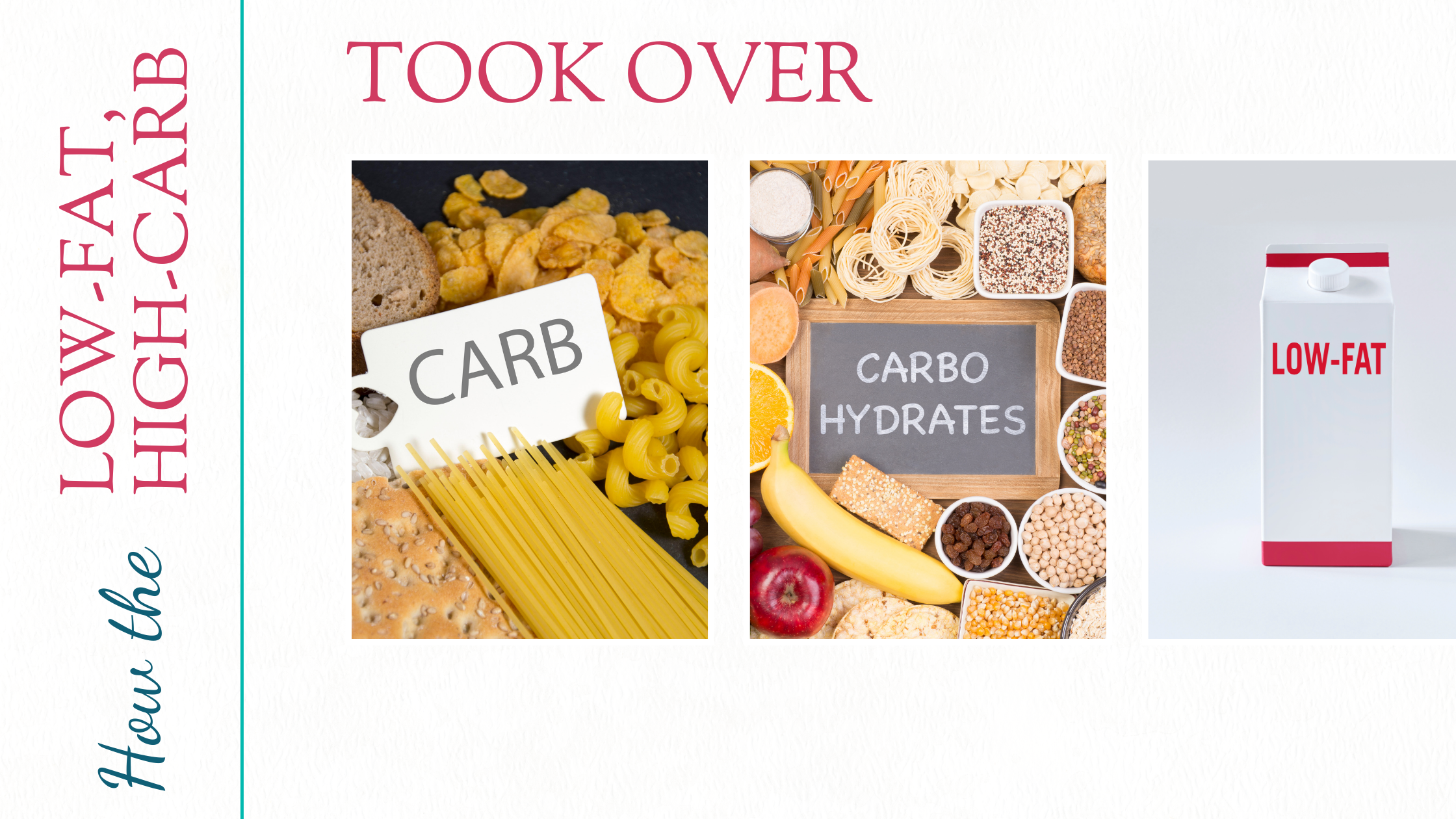
Before the 1960s, people ate real food, meat, eggs, butter, seasonal vegetables, full-fat dairy, and home-cooked meals. Chronic disease was nowhere near as common as it is today.
So, what changed?
One name that comes up again and again in this story is Ancel Keys, the American scientist behind the Seven Countries Study. He was the man who convinced the world that saturated fat caused heart disease, and that we needed to replace it with carbohydrates and vegetable oils instead.
But there’s a problem. His research was flawed from the start.
- He cherry-picked the data, focusing only on the countries where his hypothesis seemed to fit and ignoring others that told a different story.
- He left out countries like France and Switzerland, where people ate plenty of saturated fat yet had low rates of heart disease.
- He ignored the role of sugar and processed foods, even though they were becoming more common in the diet at the time.
- His study showed correlation, not causation, yet it was treated as definitive proof.
Despite these flaws, Keys’ ideas took hold. His low-fat message spread quickly, and by the 1970s, it had shaped official dietary guidelines.
The Government Steps In – And Gets It Wrong
In 1977, the U.S. government released the first-ever Dietary Guidelines for Americans. These guidelines pushed the low-fat, high-carb model, advising people to:
- Reduce fat intake, especially saturated fat from animal foods.
- Eat more carbohydrates, particularly whole grains.
- Avoid cholesterol, meaning eggs and red meat were demonised.
This was the first time in history that an entire population was told to change the way they ate based on government policy.
What followed was a massive shift in the food industry. Supermarkets and food manufacturers jumped at the opportunity, creating:
- Low-fat, high-carb “health” foods
- Fat-free yogurts (packed with sugar)
- Breakfast cereals promoted as “heart-healthy”
- Margarine and spreadable butter alternatives
- Processed grain-based foods that replaced traditional meals
The real problem? This wasn’t based on solid science, it was based on corporate interests, flawed studies, and a fear campaign against fat.
And it wasn’t just the U.S. Other countries followed suit, repeating the same mistakes, pushing the low-fat agenda, and demonising saturated fat and cholesterol.
The Fear Campaign Against Fat
For the next 40+ years, people were told that eating fat makes you fat and that saturated fat clogs your arteries.
- Eggs became “dangerous” because of cholesterol.
- Butter was replaced with processed margarine and seed oils.
- Meat and dairy were demonised while refined carbs and cereals were promoted.
But while people cut fat from their diets, they didn’t get healthier. Instead, they replaced it with more grains, refined carbs, and processed low-fat foods.
The result?
By the 1980s and 1990s, obesity, type 2 diabetes, and metabolic disease had skyrocketed, but no one was willing to admit that low-fat diets were part of the problem.
Where This Leads Next
This was the turning point. Once fat was demonised, the food industry rushed in with highly processed, low-fat, high-carb foods that took over supermarkets.
Next, we’ll look at how traditional diets were replaced with ultra-processed foods, and how that set the stage for the health crisis we see today.
The Shift from Traditional Diets to Ultra-Processed Foods
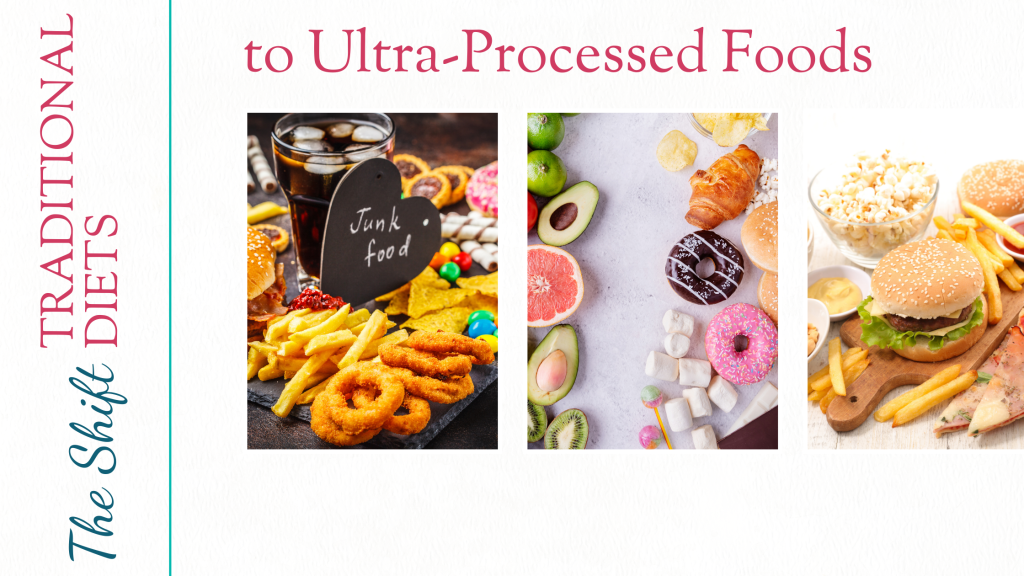
Before supermarkets were filled with low-fat, processed convenience foods, people ate real, whole foods, meals cooked from scratch using simple, nutrient-dense ingredients. Meat, eggs, butter, fish, fresh vegetables, and dairy were the norm.
People didn’t obsess over calories or macros. They ate what was available, and their food was naturally balanced, proteins, fats, and carbohydrates from unprocessed sources.
So how did we go from real food to factory food?
The Rise of Packaged, Processed Foods
Once the low-fat movement took off in the 1970s, the food industry saw an opportunity, a way to create cheaper, longer-lasting products that could be mass-produced and marketed as “healthy.”
Here’s what happened:
- Fat was removed from dairy, meat products, and packaged meals, stripping them of essential nutrients and flavour.
- Refined carbohydrates and sugars replaced fat, giving food a longer shelf life and making it hyper-palatable.
- Artificial additives, gums, stabilisers, and seed oils were added to mimic the texture and mouthfeel of real food.
- Supermarkets shifted from fresh, perishable foods to aisles filled with boxed, bagged, and highly processed products.
This was the birth of the modern processed food industry.
From Butter to Margarine, Eggs to Cereal – A Shift in the Breakfast Table
One of the clearest examples of this shift is breakfast.
For centuries, people started their day with nutrient-dense meals, eggs, bacon, butter, cheese, or even meat and broth. These meals were naturally high in protein and healthy fats, keeping people full and energised.
By the 1980s and 1990s, that had changed.
- Eggs were replaced with sugar-laden cereals marketed as “heart-healthy.”
- Butter was swapped for hydrogenated margarine, a highly processed spread loaded with trans fats.
- Full-fat dairy was replaced by low-fat, artificially sweetened yogurt.
- Coffee was no longer just coffee, it was a sugar bomb in disguise, with flavoured creamers and syrups.
Breakfast had gone from a protein-rich, satiating meal to a blood sugar rollercoaster.
And it wasn’t just breakfast.
Lunches turned into sandwiches on refined white bread, dinners became ready meals full of additives and preservatives, and snacks became highly processed energy bars, crisps, and low-fat treats.
How the Food Industry Sold Us "Healthy" Processed Food
Food manufacturers weren’t just following the guidelines, they were profiting from them.
As soon as the low-fat movement took off, companies began rebranding their products to fit the new narrative.
- “Low-fat” became a health claim, even if the food was packed with sugar.
- “Whole grain” was slapped on highly processed cereals and bread, making them seem healthy.
- “Plant-based” was used to market seed oils, margarine, and ultra-processed meat alternatives as superior to natural animal foods.
The result?
People thought they were making healthier choices, but in reality, they were eating more processed, artificial foods than ever before.
What Was Lost in This Shift?
By cutting out real, traditional foods, we lost:
- Nutrient density - Processed foods stripped away vitamins, minerals, and essential fatty acids.
- Satiety - Without protein and healthy fats, people felt constantly hungry and overate.
- Blood sugar stability- High-carb, low-fat foods caused blood sugar crashes and insulin resistance.
- Metabolic health - Rates of obesity, type 2 diabetes, and inflammation soared.
We weren’t eating better, we were eating cheaper, more processed, and less nutritious food.
Where This Leads Next
This shift away from real food set the stage for the biggest dietary disaster of all, ultra-processed, chemically altered seed oils.
In the next section, we’ll break down why seed oils are one of the worst things ever introduced into the modern diet—and how they’re directly linked to inflammation, metabolic disease, and poor health.
The False Promise of Low-Fat for Heart Health
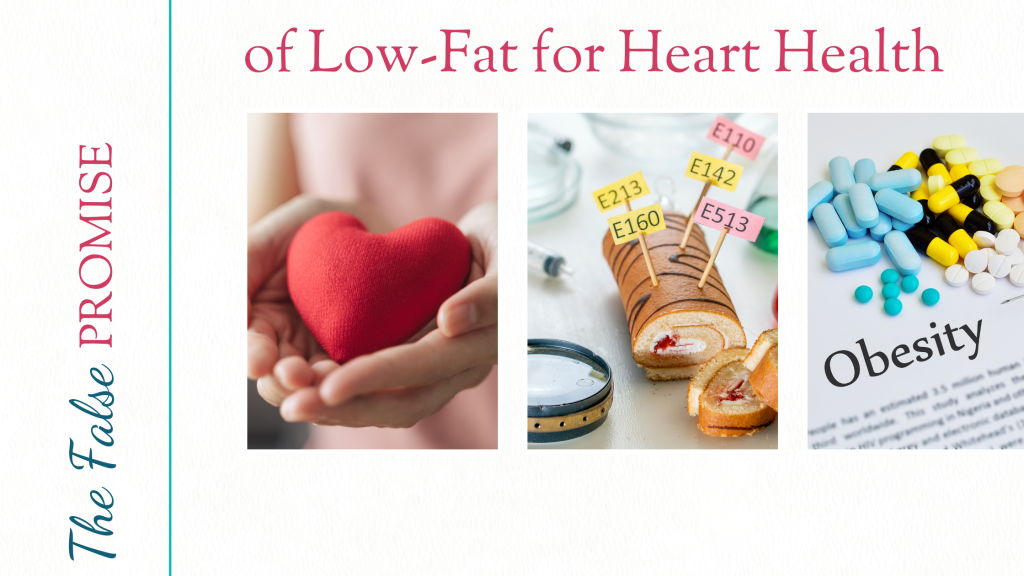
By the 1980s, the low-fat movement was in full swing. People were fearful of saturated fat, convinced that it clogged arteries and caused heart disease.
But what actually happened when fat was removed from the diet?
It wasn’t replaced with something healthier, it was replaced with sugar, starch, additives, and industrially processed oils.
The result? Obesity and metabolic disease exploded.
What Replaced Fat in Low-Fat Foods?
When fat is removed from food, it loses flavour and texture. So food manufacturers had to find a way to make low-fat food taste good while keeping it cheap and shelf-stable.
Here’s what they added instead:
- Sugar & high-fructose corn syrup – To replace the flavour lost when fat was removed.
- Artificial sweeteners – Marketed as “healthier” alternatives but linked to metabolic dysfunction.
- Gums, stabilisers, and thickeners – To mimic the creamy texture fat provides naturally.
- Refined starches – Cheap fillers that spike blood sugar.
- Seed oils – To replace saturated fat with unstable, inflammatory fats.
Instead of creating a healthier diet, this shift led to blood sugar instability, increased hunger, and inflammation—all while people believed they were making better choices.
The Low-Fat Experiment Was a Disaster
Let’s look at what actually happened after decades of low-fat eating:
- Obesity rates skyrocketed - People didn’t eat less, they just ate more carbs and processed foods.
- Diabetes and metabolic disorders exploded - Blood sugar spikes and crashes became the norm.
- Heart disease didn’t go away - In fact, cases kept rising despite people eating less fat.
- Inflammatory diseases became more common - Autoimmune issues, joint pain, and skin conditions all increased.
The very diet that was supposed to protect heart health led to a wave of metabolic disease instead.
The Truth About Fat and Cholesterol
For years, people were told to avoid cholesterol, that it clogged arteries and led to heart disease. But modern research shows this simply isn’t true.
- Dietary cholesterol does not cause high blood cholesterol - The body regulates its own cholesterol levels.
- Saturated fat is not the villain - It has been part of traditional diets for centuries without issue.
- Processed seed oils, sugar, and refined carbs are the real culprits - These drive inflammation, insulin resistance, and heart disease.
The Real Impact of Low-Fat Diets on Health
The low-fat movement didn’t just fail, it created new health problems.
- People became more insulin-resistant – Swapping fat for carbs led to blood sugar swings.
- More people developed fatty liver disease – Excess sugar and processed foods overloaded the liver.
- Hunger and cravings increased – Low-fat foods left people unsatisfied, leading to more snacking and weight gain.
- Brain health suffered – The brain is made of fat, and low-fat diets deprived it of essential fatty acids.
People weren’t just less healthy, they were hungrier, sicker, and more metabolically damaged than ever before.
Where This Leads Next
So if fat wasn’t the enemy, what was?
The real problem wasn’t saturated fat or cholesterol, it was what replaced them.
In the next section, we’ll break down the rise of seed oils, one of the most harmful ingredients ever introduced into the modern diet.
The Rise of Seed Oils & Their Role in Inflammation
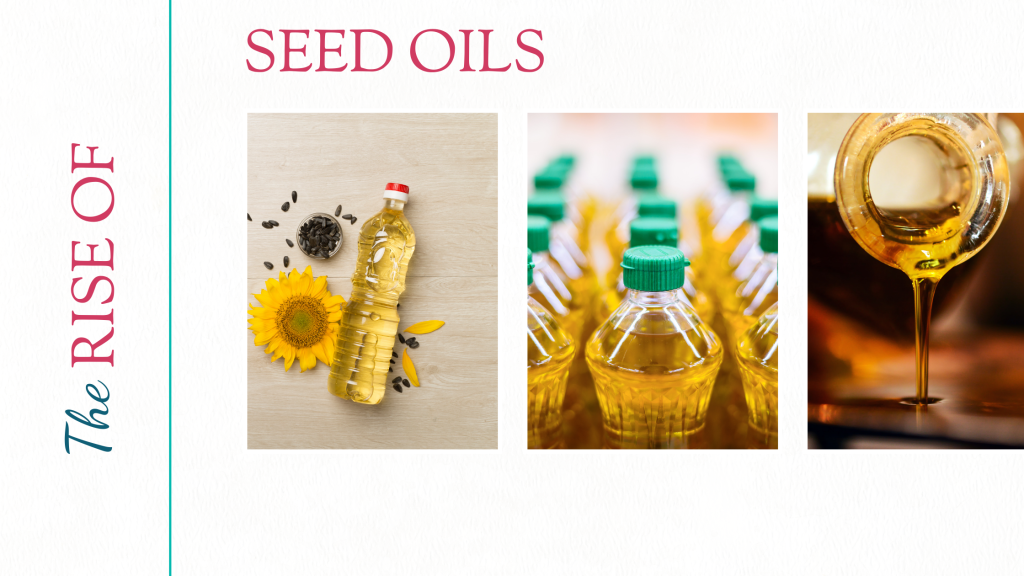
One of the biggest dietary shifts of the last century has been the replacement of traditional animal fats with highly processed seed oils.
These oils, marketed as “heart-healthy” alternatives to butter, lard, and tallow, are now found in nearly every processed food on supermarket shelves.
But the reality? They’re one of the worst things ever introduced into the modern diet.
What Are Seed Oils?
Seed oils (also called vegetable oils) are extracted from crops that were never traditionally considered food sources. This includes:
- Soybean oil
- Corn oil
- Canola oil (Rapeseed oil)
- Sunflower oil
- Safflower oil
- Cottonseed oil
- Rice bran oil
These oils were never part of ancestral diets. Instead, they were originally industrial byproducts, used in machine lubricants, paint, and soap, before being repurposed as “edible” oils.
How Seed Oils Are Processed
Unlike natural fats like butter, tallow, or olive oil, seed oils don’t just come from pressing a whole food. They undergo heavy industrial processing before they ever reach your plate.
Here’s what that looks like:
- Seeds are heated to high temperatures – This oxidises the delicate fats, making them unstable.
- Chemical solvents (like hexane) are used to extract the oil – Hexane is a byproduct of petroleum and linked to nervous system toxicity.
- The oil is degummed, bleached, and deodorised – Because it smells rancid in its natural state, it must be chemically treated to be "edible."
- Hydrogenation (in some cases) creates trans fats – Trans fats have been directly linked to heart disease, yet small amounts are still allowed in foods.
By the time these oils reach your kitchen, they bear no resemblance to the original plant, they’re a highly processed, chemically altered product.
While organic, cold-pressed rapeseed oil is not as bad as its industrially processed counterpart, it still oxidises quickly and contains a high amount of omega-6 fatty acids, which can contribute to inflammation.
And when it comes to processed foods, do we ever really know what kind of seed/vegetable oils are being used - apart from the name of it?
Most products don’t specify, and the vast majority of oils used in ultra-processed foods are the cheapest, highly refined versions of them? And lets face it, if you check the labels on any pre-packed foods these days - every single one of them, are pretty much guaranteed to contain seed oils.
Why Seed Oils Are So Harmful
Seed oils aren’t just heavily processed, they're also dangerously high in omega-6 fatty acids, particularly linoleic acid.
The problem? We consume far too much of it.
The Omega-6 to Omega-3 Imbalance
For thousands of years, humans ate a balanced ratio of omega-6 to omega-3 fats. Traditional diets contained plenty of omega-3s from fatty fish, grass-fed meat, and pastured eggs.
Today, thanks to seed oils, most people consume 20:1 or even 50:1 ratios of omega-6 to omega-3, a dramatic imbalance that drives chronic inflammation.
The Direct Link Between Seed Oils and Disease
Excessive omega-6 consumption, combined with the industrial processing of these oils, has been linked to:
- Inflammation at a cellular level – Leading to chronic pain, autoimmune disorders, and degenerative disease.
- Metabolic dysfunction – Seed oils disrupt mitochondrial function, making it harder for the body to use energy properly.
- Obesity – Linoleic acid promotes fat storage, making it harder to lose weight.
- Insulin resistance and type 2 diabetes – Chronic consumption impairs blood sugar regulation.
- Heart disease – Despite being marketed as “heart-healthy,” studies link seed oil consumption to oxidative stress and cardiovascular issues.
These oils are unstable, highly prone to oxidation, and generate free radicals in the body. This damages tissues, accelerates aging, and fuels nearly every modern chronic disease.
The Truth About Rapeseed (Canola) Oil
Canola oil (rapeseed oil) is one of the most widely used seed oils, promoted as a healthier alternative due to its omega-3 content. But here’s what’s rarely mentioned:
- It’s genetically modified – Originally toxic due to high levels of erucic acid, canola oil was genetically altered to be “safe” for consumption.
- It’s still highly processed – Even the “cold-pressed” versions oxidise quickly, making them far from a true health food.
- The omega-3s in canola oil are destroyed during processing – Meaning any benefit is lost before it ever reaches your plate.
Despite being marketed as a better option, canola oil is just as inflammatory and problematic as the rest of the seed oil family.
Why Natural Fats Are the Better Choice
The healthiest fats are the ones humans have eaten for thousands of years, the ones that don’t require chemical processing to be edible.
If you want real, stable, nutrient-dense fats, stick to:
- Butter & ghee – Rich in fat-soluble vitamins and naturally stable.
- Olive oil – High in monounsaturated fats and antioxidants.
- Tallow & lard – Traditional animal fats that have been demonised but are incredibly nourishing.
- Coconut oil – Stable, saturated fat that resists oxidation.
- Avocado oil – A rare plant-based oil that is minimally processed.
When we return to natural, ancestral fats, we reduce inflammation, support metabolic health, and fuel our bodies with the nutrients they actually need.
Where This Leads Next
Now that we’ve exposed the dangers of seed oils, let’s move on to another so-called “health food” that’s been making people sick, whole grains, cereals, and low-fat products.
In the next section, we’ll break down how high-carb diets (even from “healthy” sources) contribute to inflammation, joint pain, and metabolic dysfunction.
The Hidden Dangers of Whole Grains, Cereals & Low-Fat Foods
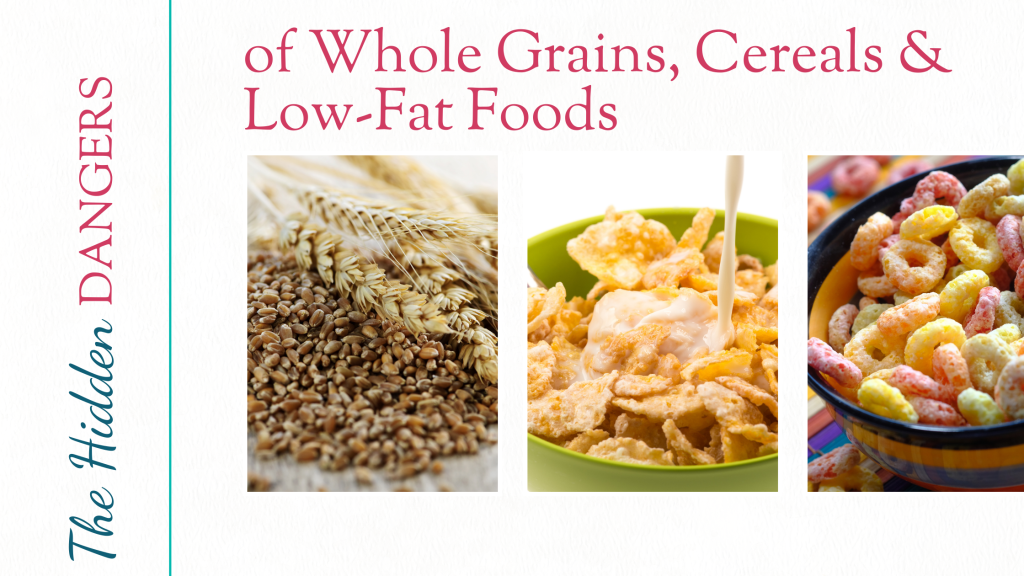
For years, we’ve been told that whole grains, cereals, and fibre-rich foods are essential for good health.
Governments, dietitians, and food manufacturers have pushed the idea that eating a high-carb diet, especially from “healthy” whole grains, is necessary for energy, digestion, and longevity.
But the reality? For many people, these foods are a major driver of inflammation, blood sugar dysregulation, and chronic health issues.
The Truth About Whole Grains
Grains, especially in their processed form, are a new addition to the human diet. For most of human history, we thrived on meat, fish, eggs, seasonal vegetables, and naturally occurring fats.
Yet today, grains are seen as the foundation of a “balanced” diet.
So, what’s the problem?
1. Whole Grains Still Spike Blood Sugar
Even though they’re marketed as a healthier choice, whole grains still cause sharp increases in blood sugar and insulin levels.
- Brown rice, whole wheat bread, oats, and cereals all have a high glycaemic load.
- They may digest slightly slower than white flour, but they still trigger an insulin response.
- Long-term, chronically high insulin levels lead to insulin resistance, weight gain, and metabolic issues.
For people struggling with weight, diabetes, energy crashes, or inflammation, whole grains can be just as problematic as refined grains.
2. The Anti-Nutrients in Grains Can Harm Digestion
Grains contain anti-nutrients, compounds that can interfere with digestion and nutrient absorption.
- Lectins – Bind to the gut lining and may contribute to leaky gut.
- Phytates – Block the absorption of key minerals like zinc, magnesium, and iron.
- Gluten – A protein found in wheat, barley, and rye that can trigger inflammation and digestive issues, even in people without celiac disease.
This explains why so many people feel better when they reduce grains, they’re not just lowering carbs, they’re removing substances that stress digestion and contribute to gut issues.
3. High-Carb Diets Drive Inflammation
When people replace fats and proteins with grains, they often increase their overall carbohydrate intake.
- High-carb diets increase blood sugar fluctuations, leading to fatigue, cravings, and energy crashes.
- Excess carbohydrates feed inflammation, worsening conditions like joint pain, brain fog, autoimmune issues, and metabolic disease.
- Many people experience bloating, gut discomfort, and sluggish digestion when they eat too many grains.
Low-Fat Foods: What Are You Really Eating?
The low-fat movement didn’t just demonise fats, it also created a wave of ultra-processed, artificial “health” foods.
Think about all the low-fat products lining supermarket shelves:
- Low-fat yogurt
- Reduced-fat cheese
- Low-fat salad dressings
- Skimmed milk
- Fat-free snacks and desserts
These products sound healthy, but without fat, they lose flavour and texture. So, food companies had to replace the missing fat with something else.
Here’s what’s really inside low-fat products:
- Artificial flavours – Because real fat gives food its taste, manufacturers add synthetic compounds to mimic real flavour.
- Gums & stabilisers – To create a creamy texture without natural fat.
- Starches & fillers – To bulk up the food while keeping it “low-calorie.”
- Sugar & artificial sweeteners – Added to replace the flavour lost when fat is removed.
The Problem With Artificial Sweeteners
Many low-fat foods contain artificial sweeteners like aspartame, sucralose, and acesulfame potassium.
- These chemicals can disrupt gut bacteria, which affects digestion, metabolism, and immune function.
- They may increase sugar cravings by tricking the brain into expecting real sugar.
- Studies suggest they can still spike insulin, leading to metabolic issues over time.
So while low-fat foods may seem like a smart choice, they’re often more processed and less nutritious than their full-fat counterparts.
The Truth About “Healthy” Breakfast Cereals
Breakfast cereals are one of the biggest dietary scams of modern nutrition.
We’ve been told they’re high in fibre, fortified with vitamins, and a great way to start the day.
In reality? They’re ultra-processed, high in sugar, and designed to keep you hungry.
- Even “healthy” cereals contain added sugars, artificial flavours, and synthetic vitamins.
- Most cereals have the same blood sugar impact as eating cake for breakfast.
- Fortified vitamins in cereals are poorly absorbed compared to real food sources.
A breakfast of eggs, meat, or full-fat dairy is far more nutrient-dense, satiating, and stable for blood sugar than any bowl of cereal.
What This Means for Your Health
By swapping real foods for whole grains, low-fat products, and cereals, people have:
- Increased their carbohydrate intake—leading to blood sugar instability.
- Consumed more processed additives and artificial ingredients.
- Lost out on essential healthy fats, proteins, and micronutrients.
This low-fat, high-carb experiment has been a disaster for metabolic health.
Where This Leads Next
If grains, processed foods, and seed oils are causing so many issues, what’s the solution?
The good news is, you don’t have to overhaul your entire diet overnight. There are simple, effective ways to start undoing the damage today.
In the next section, we’ll cover practical steps you can take right now to protect your health, lower inflammation, and feel better.
What Can Youo? - Small Steps, Big Impac
By now, it’s clear that the low-fat, high-carb, seed oil-laden diet that’s been pushed for decades has done more harm than good. But if you’re reading this and wondering where to even begin, don’t worry, you don’t need to change everything overnight.
The key is to start with small, manageable changes that will make a big impact over time.
Step 1: Ditch Seed Oils
The simplest and most effective thing you can do right now is remove seed oils from your diet.
- Stop using vegetable oil, soybean oil, canola oil, rapeseed oil, sunflower oil, safflower oil, and corn oil.
- Check ingredient labels, these oils are hidden in salad dressings, sauces, processed foods, and even so-called “health” foods.
- Cook with butter, ghee, tallow, lard, coconut oil, or olive oil instead.
This one change alone can lower inflammation, improve metabolic health, and support better digestion.
Step 2: Cut Back on Processed Foods
Ultra-processed foods are packed with refined carbs, seed oils, artificial ingredients, and hidden sugars, all of which contribute to inflammation, weight gain, and metabolic dysfunction.
Start by:
- Choosing real, single-ingredient foods, meat, eggs, fish, full-fat dairy, and fresh vegetables.
- Swapping boxed, pre-packaged snacks for whole food options like nuts, cheese, boiled eggs, or homemade alternatives.
- Reducing sugary and starchy foods, white bread, cereals, pasta, and processed grains.
If you only eat food that was available 100 years ago, you’ll automatically cut out most of the junk.
Step 3: Eat Fat Without Fear
One of the biggest lies we've been told is that fat is bad for you.
But real, naturally occurring fats are essential for energy, hormone balance, brain function, and overall health.
Instead of fearing fat, embrace it from the right sources:
- Eat full-fat dairy - Ditch skimmed and low-fat versions.
- Enjoy eggs daily - They’re one of the most nutrient-dense foods on the planet.
- Choose fatty cuts of meat - Grass-fed beef, lamb, and poultry with the skin on.
- Use traditional fats in cooking - Butter, ghee, tallow, and lard have been demonised for no good reason.
Not only will these foods keep you full for longer, but they also provide essential fat-soluble vitamins (A, D, E, and K) that your body needs to function properly.
Step 4: Lower Your Carb Intake (Especially If You’re Metabolically Struggling)
A high-carb diet, even one full of “healthy” grains, can contribute to blood sugar swings, insulin resistance, and inflammation.
You don’t need to go zero-carb, but reducing refined and starchy carbs can make a huge difference.
- Focus on protein first - Meat, fish, eggs, and dairy should be the foundation of your meals.
- Swap grains for vegetables - Replace pasta, rice, and bread with cauliflower rice, zucchini noodles, and root vegetables in moderation.
- Keep carbs within a range that works for you - Some do well on keto (below 50g total carbs), others thrive at 100-120g. Find your balance.
This step alone can help with energy, cravings, weight loss, and overall metabolic health.
Step 5: Question Everything & Listen to Your Body
For years, we’ve been told to follow official dietary guidelines, but look where that got us.
If you’ve been struggling with low energy, chronic pain, weight gain, or health issues, it might be time to question what you’ve been told and experiment with what actually works for your body.
- Stop assuming that what’s marketed as “healthy” actually is.
- Pay attention to how you feel after eating certain foods.
- Experiment with removing grains, seed oils, and processed foods, and see what happens.
For many people, these small shifts lead to massive improvements in energy, digestion, weight loss, and overall well-being.
The Bottom Line!
Food is Personal

The low-fat, high-carb, processed food experiment has been a complete failure.
Over the last 50 years, we have:
- Demonised real, nutrient-dense foods (butter, meat, eggs, full-fat dairy) and replaced them with ultra-processed, artificial junk.
- Ditched natural fats and embraced inflammatory seed oils that disrupt metabolism and fuel disease.
- Consumed more sugar and refined carbs than ever before, leading to an epidemic of insulin resistance, obesity, and metabolic disorders.
And the result? More sickness, more medications, and a population struggling with chronic health issues.
But here’s the good news, you can take back control.
By making simple, intentional choices about the food you eat, you can improve your health, reduce inflammation, and feel better than you have in years.
It’s not about fad diets or restriction, it’s about eating the way we were designed to eat.
Start Small – Try One Change Today
You don’t have to overhaul everything at once.
Pick just one thing from this post, whether it’s ditching seed oils, eating real fats, or cutting back on processed junk, and see how you feel.
Your health isn’t about perfection, it’s about making choices that truly serve your body.
But honestly, just giving up processed foods and seed oils will make a massive difference.
Linda ❤️
Hormones, brain fog, chronic fatigue, joint pain, skin issues, autoimmune conditions - they’re all connected.
Want to find out how you can work with me?
Further Reading & Resourc
If you want to dive deeper into the research behind seed oils, processed foods, and metabolic health, these studies and articles provide valuable insights.
Scientific Studies & Research Papers
- Omega-6 Seed Oils & Chronic Disease – A detailed review on how omega-6 fatty acids contribute to inflammation and metabolic disorders.
- Seed Oils & Human Health – Research on the health effects of vegetable oils, metabolism, and inflammation.
- The Omega-6 to Omega-3 Ratio: A Key to Health – Examining the impact of excessive omega-6 in the diet and its link to inflammation.
- Trans Fatty Acid Content of Foods Made with Canola Oil – Analysis of trans fats found in processed foods made with canola oil.
- Erucic Acid in Food: Safety Review – A scientific review of rapeseed oil, its modification for human consumption, and potential health concerns.
Articles & White Papers on Seed Oils & Metabolic Health
- Are Seed Oils Toxic? – A breakdown of the impact of seed oils on metabolism, inflammation, and disease.
- Seed Oils as a Driver of Heart Disease – How seed oils contribute to cardiovascular disease and oxidative stress.
- How Vegetable Oil Makes Us Fat – The role of seed oils in obesity, metabolic dysfunction, and weight gain.
Final Thought
The low-fat, high-carb experiment has failed, but you don’t have to stay stuck in it.
By making small, intentional choices, you can take control of your health, lower inflammation, and feel better than you have in years.
The best time to start? Right now.
Linda McClure
Cut the Bullshit
In Health | In Business | In Life
Bespoke Branding | Creative Web Design | Low Carb Nutrition Expert